
Once the alcoholic nose advanced, irreversible tissue hypertrophy of established Rhinophyma has occurred, these medical options are largely ineffective at reversing the deformity. At this stage, procedural and surgical treatments become necessary to physically remove the excess tissue and re-contour the nose. Ablative techniques are the mainstay of treatment, aiming to restore a more natural appearance and improve any functional issues. This combination of glandular overgrowth and fibrosis structurally alters the nose, creating the bulbous and irregular shape.
Change Your Life Today!
- Unfortunately, this myth has created an unfair stigma and misconceptions about people suffering from rhinophyma.
- These medications help shrink the enlarged sebaceous glands and reduce inflammation.
- Please read on to learn all you need about alcoholic nose and the connection between alcohol addiction and skin conditions.
- With time, rosacea can worsen, and for people who drink alcohol heavily, this can mean developing rhinophyma.
- Costs range from $300 to $1,000 per session, and results vary based on skin type and severity.
By adhering to these steps, practitioners can deliver tailored, compassionate care that respects the complexity of this often misunderstood disorder. Treatment recommendations follow a precise hierarchy based on diagnosis severity. Mild cases may respond to topical retinoids (e.g., tretinoin 0.05% applied nightly) or oral antibiotics (doxycycline 100 mg daily for 6–8 weeks) to reduce inflammation. Moderate to severe rhinophyma often requires procedural interventions, such as laser therapy (CO2 laser resurfacing) or surgical debulking under local anesthesia.
How Do I Choose the Right Fentanyl Rehab Facility in Colorado?

While lifestyle changes and abstinence from alcohol are fundamental, targeted treatments can address the physical manifestations. Medication, laser therapy, and surgery offer distinct approaches to reduce disfigurement, each with its own mechanisms, benefits, and considerations. The term “drinker’s nose” is a common, stigmatizing phrase used to describe a visibly enlarged, ruddy nose. This colloquial name is medically inaccurate and perpetuates a harmful myth about lifestyle.
- Other factors, such as genetics, sun exposure, and certain medical conditions, can also contribute to the development of rosacea.
- If you drink alcohol, the substance could trigger underlying symptoms to begin affecting you.
- A nose from drinking alcohol comes with broken capillaries, and eventually, the reddened skin brought on by this becomes semi-permanent.
- “Alcoholic nose,” describes a swollen, red, bumpy nose, that can be worsened by drinking too much alcohol.
How to Get Rid of a Red Nose
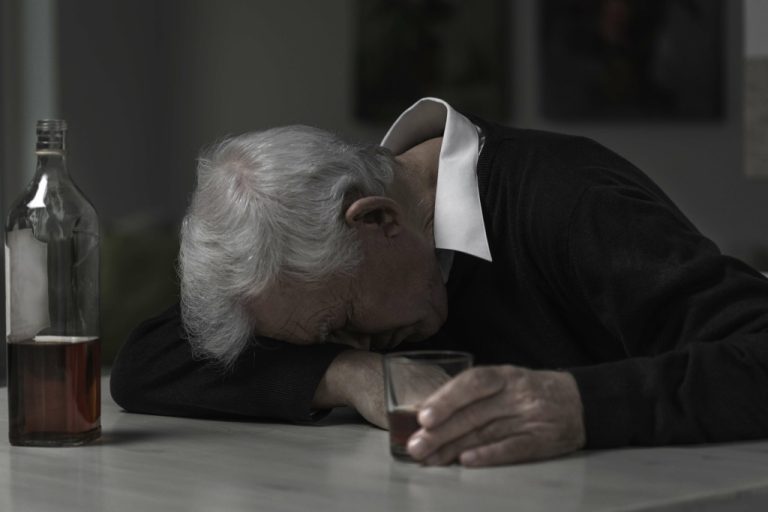
Our integrated https://ecosoberhouse.com/ approach addresses both medical and psychological aspects of care, ensuring comprehensive support during the healing journey. The long-term outlook for rhinophyma patients has improved dramatically with modern treatment advances. Most patients who get appropriate treatment experience substantial improvement in both appearance and quality of life, with excellent outcomes when treatment starts early. For some individuals with alcohol addiction, it can be more effective to enroll in a treatment program outside of their local community.
Physical Characteristics of Rhinophyma

Some people become red-faced or flushed when they drink alcohol, and this is determined by ethnic background and genetics. When choosing an alcohol addiction treatment center, it’s important to choose one that understands the disease of addiction and the best ways to help promote strong, lasting change. With centers all around Oregon, Serenity Lane makes your physical and mental health our No. 1 priority.
Mental Health Takes a Hit
Catching the early signs of rhinophyma can slow down or stall its development. The condition is seen as a deformity that can lower self-image and reduce overall confidence in those affected. When someone what is Oxford House develops a physical alcohol dependence, they may experience a series of withdrawal symptoms if they stop or break from drinking. Experiencing these symptoms – or drinking alcohol to avoid them – can be a sign of addiction.