
Ongoing therapy or peer support is often recommended for long-term recovery. Masculinity norms keep friendships shallow, often limited to sports talk or work, which means men have fewer people to lean on emotionally. Men face pressure https://theromedays.com/daily-dark-chocolate-hot-drink-could-double-stem/ to be providers, protectors, and problem-solvers without showing struggle. The “handle it alone” mentality becomes particularly dangerous when combined with substance use, as men turn to alcohol or drugs as private coping mechanisms. Men struggle with emotional expression, maintain fewer intimate friendships, and show reluctance to reach out during difficult times.
- MMWR and Morbidity and Mortality Weekly Report are service marks of the U.S.
- Exercise is essential in combating loneliness and enhancing well-being.
- For a more focused experience, consider groups specific to your situation, like SMART Recovery or Women for Sobriety.
Regular Meetings
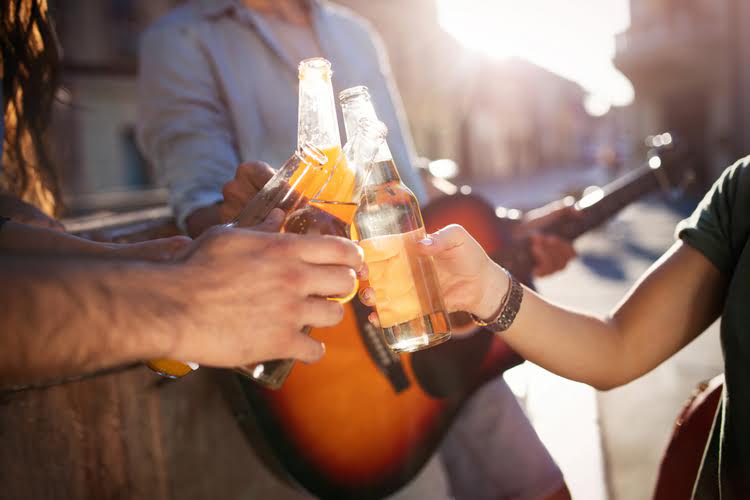
Friends you used to use drugs or drink with may no longer fit into your sober lifestyle. Sometimes you have to cut ties with people who aren’t supportive of your recovery or who may trigger relapse. Plus some people may not welcome others back into their lives during the recovery process. It’s important to know that feeling lonely during this time is a normal part of the recovery process. Early recovery can be tough and the feelings of loneliness can feel overwhelming.
The Connection Between Addiction and Isolation

Boys learn to suppress their emotions, never ask for help, and deal with everything solo. These expectations foster a mindset where showing emotion feels like failing, not being strong. Today, Jaywalker Lodge continues to serve men and produce unheard-of treatment outcomes Sober living house because this program is more than a program.
BuildingConnections: Rebuilding and Creating Social Support Networks
Recovery from a substance use disorder is a challenging process, and it can be lonely at times. You may feel isolated and disconnected from those you once spent time with. Loneliness can increase stress and cause you to feel depressed or anxious. It can even lead you to crave drugs or alcohol to cope, thus becoming a trigger for relapse. This column will be a space for us to examine the broad range of scenarios and circumstances wherein loneliness and social isolation affect people.
What is the relationship between loneliness and addiction recovery, and how can it be addressed?
We offer a wide range of outpatient treatment programs that are evidence-based and personalized to meet your unique needs. Whether you are struggling with mental illness, substance abuse, or dual diagnosis, The Berman Center will help you find peace, health, and freedom. Contact us to learn more about our intensive outpatient programs and dual diagnosis treatment in Atlanta. The journey to sobriety is undoubtedly a transformative experience, yet it often comes with unforeseen emotional hurdles, with loneliness being a significant and common one. As individuals transition away from substance use, they frequently face emptiness as old social circles dissolve, leaving space that needs to be filled with genuine, healthier connections. Understanding and managing these feelings of loneliness is critical in maintaining sobriety and supporting long-term recovery.

Social media can either help or hurt in recovery, depending on how you use it. Scrolling aimlessly or comparing yourself to others can intensify feelings of isolation. But when used with intention, social loneliness in recovery platforms can connect you with inspiring recovery communities, mental health advocates, and support groups that uplift and educate.
As clients do this individually, they can share the effects of the problem with group members, which offers support and validation. Clients are asked to identify five to 10 chapter titles for their life and briefly explain each. They can share these stories with other group members, which helps reinforce the idea that the past is in the past and the future is an opportunity for new beginnings. There are many activities to incorporate into group therapy for adults. A pre-group orientation is helpful to identify individual patterns of group members and their history of interpersonal relationships (Whittingham, 2018).
Their constant companionship and need for care help shift focus away from internal struggles. Having something to care for can fill the emotional void, ease anxiety, and bring a deep sense of joy and purpose. It’s not a cure-all, but for many, a furry friend becomes a pillar of emotional stability. Developing these practices can transform moments of solitude into opportunities for personal growth, enhancing overall emotional well-being. MMWR and Morbidity and Mortality Weekly Report are service marks of the U.S. Department of Health and Human Services.Use of trade names and commercial sources is for identification only and does not imply endorsement by the U.S.
How to Cope With Loneliness in Recovery
By investing in these connections and self-awareness, individuals can combat loneliness and create lasting positive change. Issues like shame resulting from addiction may inhibit someone from re-engaging with their previous social circles. As they navigate these feelings, loneliness can deepen, making it difficult to establish new connections. For many, alcohol served as a coping mechanism, and in its absence, the intense feelings of loneliness may surface.
Anxiety, particularly social anxiety, can make men avoid gatherings where they might find connection. Substances then provide temporary relief from both loneliness and mental health symptoms. Engaging in these activities not only combats loneliness but also supports the overall recovery journey by building a supportive network and promoting emotional well-being. The key to overcoming loneliness lies in building and maintaining meaningful social connections.
I know this from personal experience, as well as from being a recovery advocate for over 15 years. You see, loneliness is more than an emotional experience — it is a measurable public health issue with profound effects on physical and mental health. Recent data show that approximately one in three adults in the United States report feeling lonely, and about one in four lack social and emotional support altogether. Participating in sober recreational activities is one of the most effective ways to combat feelings of isolation during recovery.